LIPOSUCTION
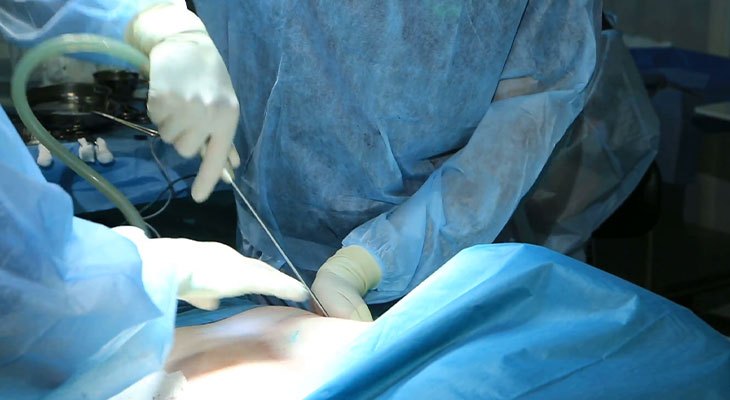
Liposuction
Liposuction also called lipoplasty, lipectomy, or lipolysis is a
type of cosmetic surgery that removes fat from specific areas of the body and
sucks it out.
It is often used for the abdomen, thighs, hips, neck, chin, back of the body,
upper and back of the arms, as some areas of the body such as the hip, thigh,
abdomen, and arms tend to store and collect fat.
Fats get out of the body and under the skin through a hollow device called the
cannula. It goes under the skin and sucks subcutaneous fat with powerful,
high-pressure suction into the cannula.
Liposuction is Suitable for whom?
Those who are considered to be suitable candidates are those who are close to their ideal weight but still have disproportionate reserves of fat in different parts of their body. Just as these fat reserves no longer respond to exercise and diets and do not change, liposuction can help and benefit most.
The best candidates for this procedure are non-smoker men and women who are generally relatively healthy and have good prospects and expectations for the procedure.
Also, the ideal candidate for liposuction is someone with higher skin elasticity,this patient will naturally have a lower risk of skin loss. Besides, if a person has lost significant weight before surgery, liposuction may only worsen skin problems. So it cannot be said with certainty that this operation is suitable for everyone.
Facts about Liposuction:
- Certainly Liposuction cannot remove the extra 25kg you’ve added over 10 years. The amount of fat removed during a typical liposuction operation is between half to 5 kilograms.
- Surgery is usually performed under general anesthesia.
- Liposuction is not a method for weight loss, but a cosmetic procedure with precise effects. The goal is to reshape the body, and the results are generally long-lasting if you can keep your weight within the healthy range. This operation is suitable for those who are of normal weight and whose skin is more elongated.
- Risks to the operation include infection, bruising, and scars.
- Liposuction is also used to treat certain medical conditions.
What is Liposuction?
Liposuction is an elective procedure that involves removing subcutaneous fat. This decision is made when the underlying fats are unevenly distributed to a specific area of the body such as the armpit or thighs.
People undergoing liposuction surgery typically has a stable weight but tend to lose undesirable fats in certain parts of their body.
Liposuction is not a weight-loss method for the whole body or a cure for obesity and will not be able to kill cellulite. The purpose of this method is cosmetic and is suitable for those who wish to change and improve their body cholesterol. Although you may lose some weight after surgery, the main purpose is to reshape and redefine lines that do not respond well to diet and exercise.
Liposuction temporarily removes fat cells from the body and corrects the shape of the body. However, if the patient does not follow a healthy lifestyle after surgery, there is a risk that the remaining fat cells will grow and grow.
The amount of fat that can be safely removed from the body is limited. There are risks such as infection, numbness, or permanent scars. If too much fat gets out of the body, it may have effects on the skin, such as bumps or ripples. The surgical risks are directly related to the amount of fat removed from the body.
Benefits of Liposuction
Liposuction is usually done for beauty purposes, but it is also used to treat special conditions, too.
Lymphedema
The long-term condition, in which a fluid called the lymph, accumulates too much in the tissues that swell and inflate that area of the body. Swelling or swelling usually occurs in the arms or legs. Liposuction is sometimes used to relieve swelling, discomfort, and pain.
Severe weight loss after obesity
A person who is overly obese and worrisome needs treatment to eliminate excess skin and other abnormal conditions if they lose at least 40% of their BMI.
Lipomas
The tumors are fat and benign.
Risks and side effects of Liposuction
Like any other surgery, there are possible complications, and risks that you should be aware of before surgery:
Any major surgery carries the risk of bleeding, infection or incompatibility with anesthesia. It also has bruising and pains immediately, which makes the patient uncomfortable. The complications of this risk are usually related to the extent and severity of the operation as it relates to the skills and training of the surgeon.
Multiple bruises
These bruises can take several weeks.
Swelling
It may take up to 6 months for the swelling or inflammation to subside in the body.
Numbness
The part of the body that has undergone surgery may become numb for a while and is usually temporary.
Infection
A skin infection may occur after liposuction surgery. Occasionally, treatment or surgery may need to be performed, with the risk being that the wound may remain permanently.
Perforation of internal organs
Perforation of internal parts of the body during liposuction is very rare.
Pulmonary edema
Sometimes fluid injected into the body accumulates in the lungs.
Allergic reaction (allergy)
The patient may be allergic to the drugs and substances used during surgery.
Skin burns
Canola movement can cause allergies and burns to the skin or nerves of the body.
Liver and heart problems
Death
Anesthesia during surgery has a very low risk of death.
Obstruction of the bloodstream in the lungs
It is possible for fat to enter the blood vessels, which may enter the lungs and stop the circulation. This is a life-threatening process.
If the patient feels pain in his chest or shortsightedness, abnormal heart rate or excessive post-operative bleeding, the patient should contact his surgeon immediately.
Liposuction surgery Satisfaction:
Patients are most satisfied with their surgery, considering the consequences before and after the operation and being well informed about what to expect. Also, choosing an experienced, professional surgeon and consulting all the details with your treating physician on this route is not without effect.
Duration of recovery
The recovery time varies depending on the amount of fat removed from the body and the location of the surgery. The recovery time varies from days to hours, but the pain may continue for several weeks.
Recovery and healing
It usually takes about two weeks for a complete recovery. Postoperative swelling and bruising are significant. Therefore, liposuction results cannot be judged for at least one to three months. While most bruises from liposuction surgery disappear within 2 to 4 weeks, some of the residual swellings may take up to six months to completely resolve. After about a week, the sutures are removed (unless the sutures are absorbed).
Liposuction costs
The total cost of liposuction varies depending on the size and number of surgical areas, as well as the specific techniques used during surgery. The costs of the surgeon, anesthesia, facilities, laboratory, medication, etc. are often added to the costs.
Most women are looking for liposuction as the ultimate solution to balance their body (most want abdominal fat or breast lift). In any case, patients who use lipomatics to reduce their abdominal fat, since they often have loose skin, may also undergo skin elongation or breast lift.
Before surgery
Before undergoing liposuction surgery, you need to think carefully about your decision and its complications. There is no guarantee of results, and you should consult your doctor before surgery.
The surgeon carefully examines the patient and performs pre-operative tests to confirm the health status. The patient’s health history is also on the agenda, including height, weight, patient records, and family history.
The surgeon may give the patient certain medications to take for two weeks before surgery. These drugs can be anti-inflammatory or herbal supplements
Before surgery, the surgeon marks the patient’s body, and before and after photographs may be taken of the patient.
During the operation
When preparing for surgery, the patient’s body is fully monitored for heart rate, blood pressure, and blood oxygen level. Liposuction is usually performed under general anesthesia, which may also include epidural anesthesia for lower liposuction. In some specific cases, this is also done under local anesthesia. Liposuction may be a combination of topical anesthesia and intravenous sedatives. The choice of the type of anesthesia is made only at the discretion of the surgeon.
A cut of three or four inches in length is made by the surgeon on the skin. This incision is made in a way that will later be well hidden between wrinkles of the body. For surgery on larger areas, the incisions may also be slightly larger.
The fat is sucked into the cannula (hollow metal tubes), which pass through the same cuts under the skin. The cannulas move forward and backward with controlled movements to loosen the fat. Then suck all the fat on the surface through the tubes and discharge into a special container.
Small incisions are closed by surgical sutures, and in some cases, small tubes are left at the incision site to help drain excess fluid under the skin.
After the operation
After surgery, the patient is transferred to recovery to control pain and swelling in the treated areas. It is very likely that the patient will not need to stay in the hospital and will be discharged after a few hours. Of course, this decision is entirely up to the physician. If you leave the hospital and go home, you must arrange for the patient to be alone for 24 hours.
The patient will not be able to drive for several days. Most patients can only perform non-heavy tasks, such as desk work and light work, after only 2-3 days.
If a small area was treated, the patient can return to work within a few days, but if a large area of the body is surgically removed, it may take up to 10 days for recovery.
Depending on the extent of the operation and the level of treatment areas, hard work or exercise should not be resumed for at least 2 to 3 weeks. Like all surgeries, the understanding that these guidelines depend on the patient’s health and the techniques used and other variables surrounding surgery may be very different.
However,
it should be noted that during the recovery period, the incisions are not
pressurized, and any abrasions or movements that cause severe pain should be
reported to the physician.
According to your doctor, you can use medical belts that help reduce bruising
and swelling. These lesions should be worn continuously for several weeks after
surgery.
Liposuction incisions are usually very small, usually fading over time to be
virtually invisible. The result of liposuction surgery is an image of a
balanced, smooth body.
The patient may need to take antibiotics immediately after surgery to reduce
the risk of infection. Most people also use mild painkillers to relieve pain
and swelling.